↓ Skip to main content

Research

Materials

Materials

Molecules are everywhere, so their effects show up across many systems and scales: solar cells, solutions, crystals, metal-organic frameworks and batteries. Materials add a layer that molecular models miss, since performance depends on composition, structure and processing history. We carry ideas from molecules and mixtures into this setting and pair them with automated platforms, so predictions become real candidates, such as new organic laser materials.
Self-Driving Laboratories

Self-Driving Laboratories

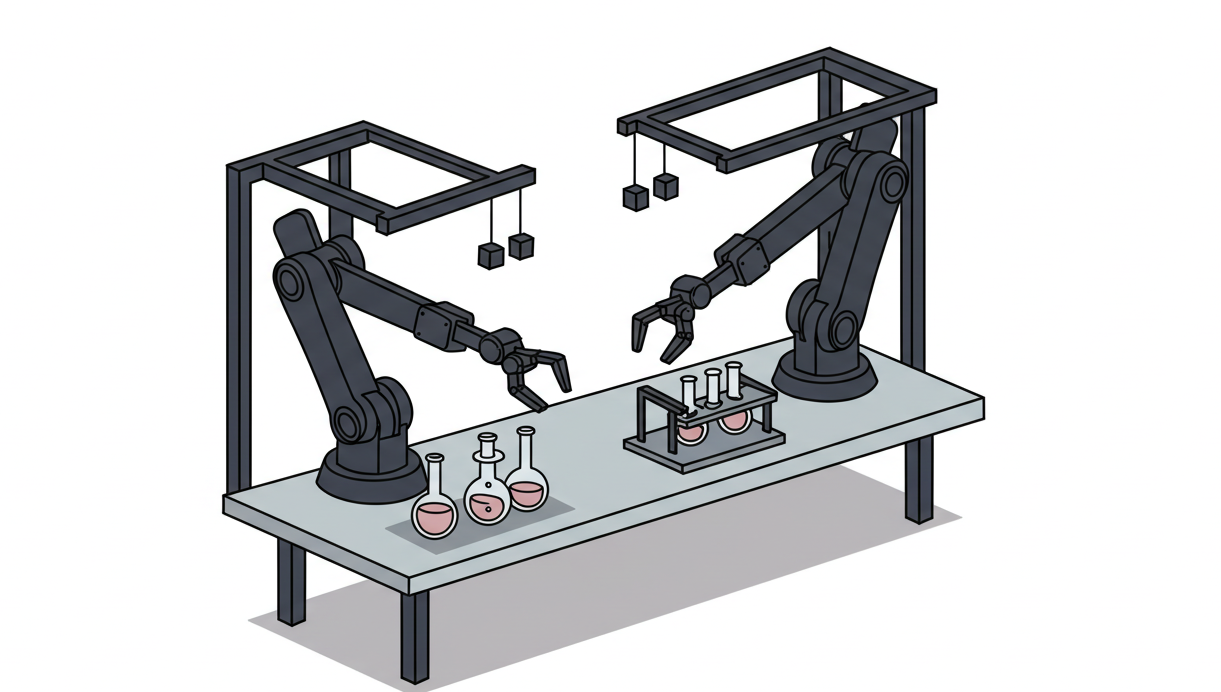
We have become very good at modeling chemical data, but a prediction only matters once it turns into a real molecule or material. Self-driving labs close that gap by pairing robots with models that decide what to try next. Automation also improves the data itself: cheaper, more consistent and easier to replicate. U of T has one of the densest clusters of SDLs anywhere. We expect the line between experimental and computational chemists to fade. The chemist of the future will program a robot to run experiments while modeling the chemistry behind them.

Mixtures

Mixtures

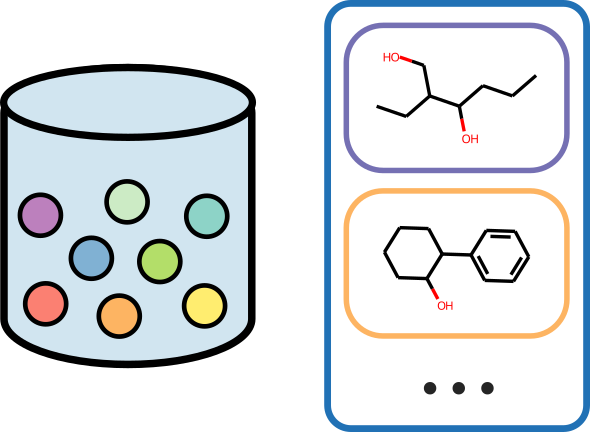
Perfumes, shampoos, foods and fuels are all mixtures, yet most machine learning in chemistry still studies one molecule at a time. Mixtures decide how drugs dissolve, how fuels ignite and how electrolytes move ions. The space of possible blends explodes with each added component, so exhaustive experiments are out of reach. We study how to represent mixtures well: which symmetries to build in, whether one representation can serve many tasks, and when physics helps.

Small Molecules

Small Molecules

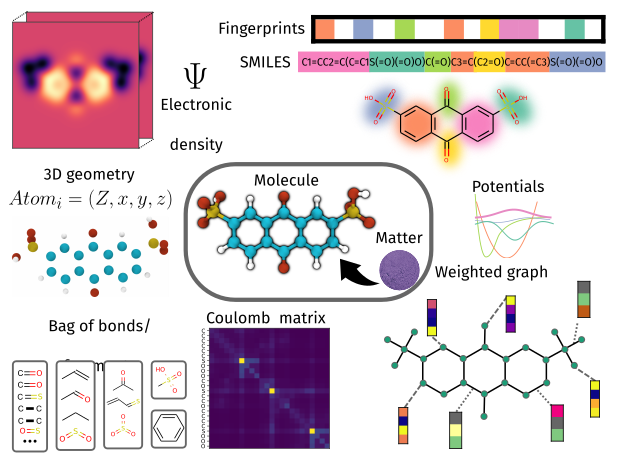
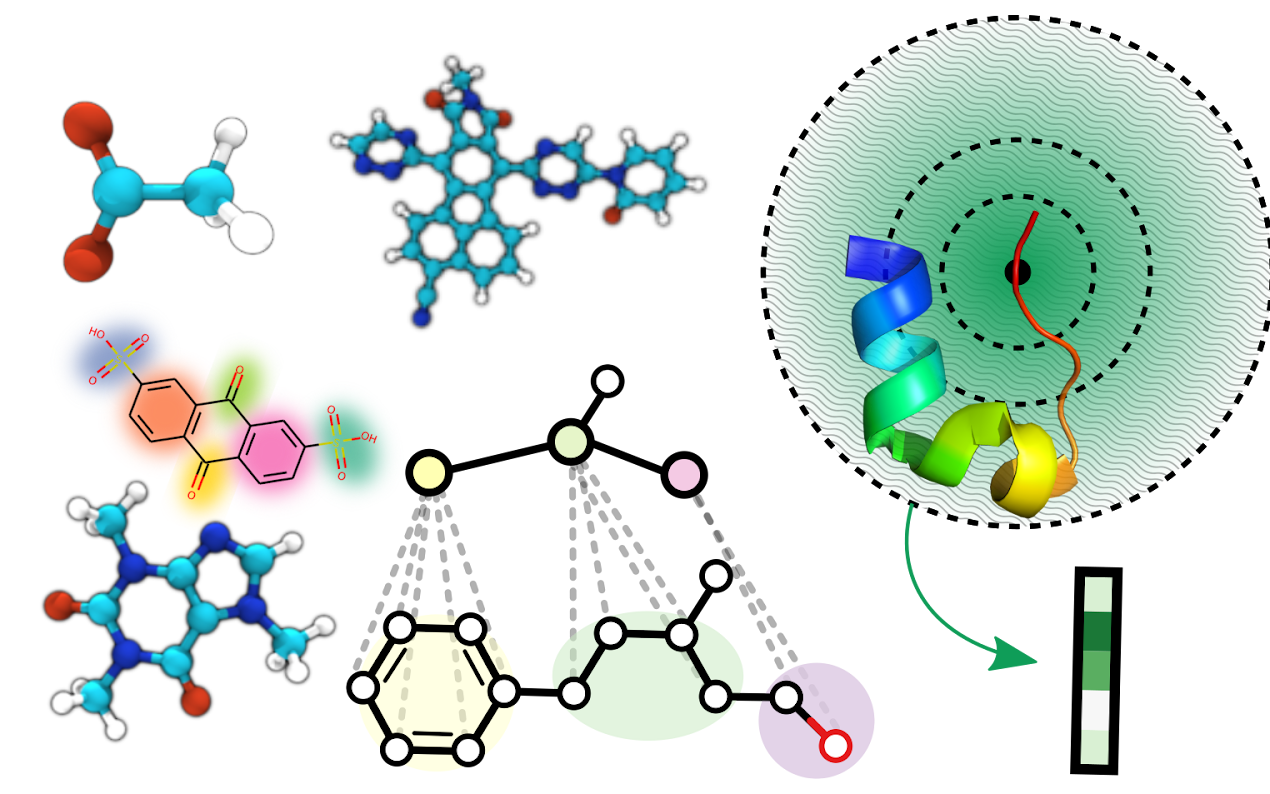
Small molecules are the workhorses of chemistry: drugs, dyes, fragrances, pesticides and the building blocks of materials. Estimates put the number of drug-like molecules around 10⁶⁰, far more than anyone could make or test. We build models that learn useful representations of molecules, including their quantum and stereoelectronic character, and use them to search this space with intent. The goal is to propose molecules worth making and to explain why the model chose them.

Graphs

Graphs

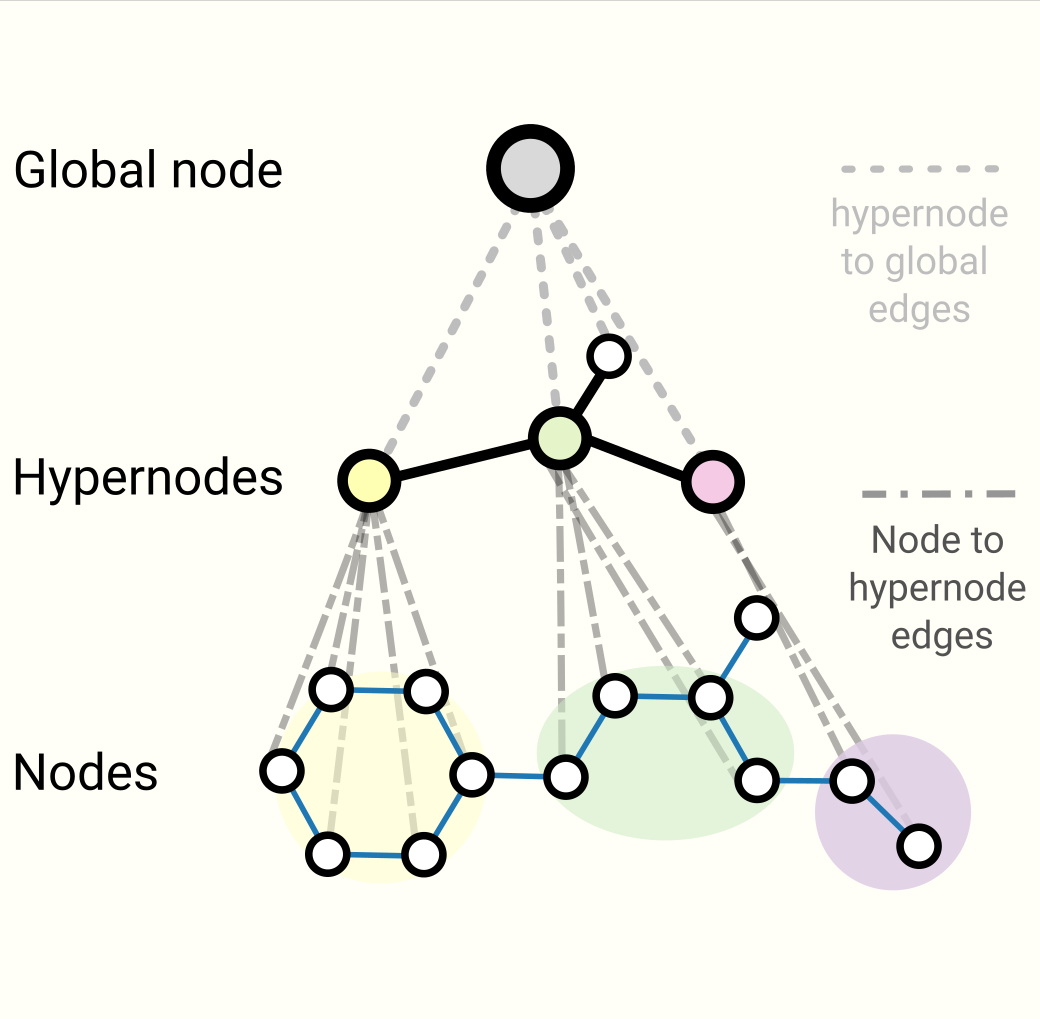
Whenever we care about how things relate, graphs are a natural language: objects become nodes and relationships become edges. Chemistry is full of relationships at every scale, from atoms bonding into molecules to enzymes, metabolic networks and even tequila production. How you set up the graph often decides whether a model succeeds, because it encodes the right priors. We study these choices and how to build them into graph neural networks and transformers alike.

Olfaction & Sensory AI

Olfaction & Sensory AI

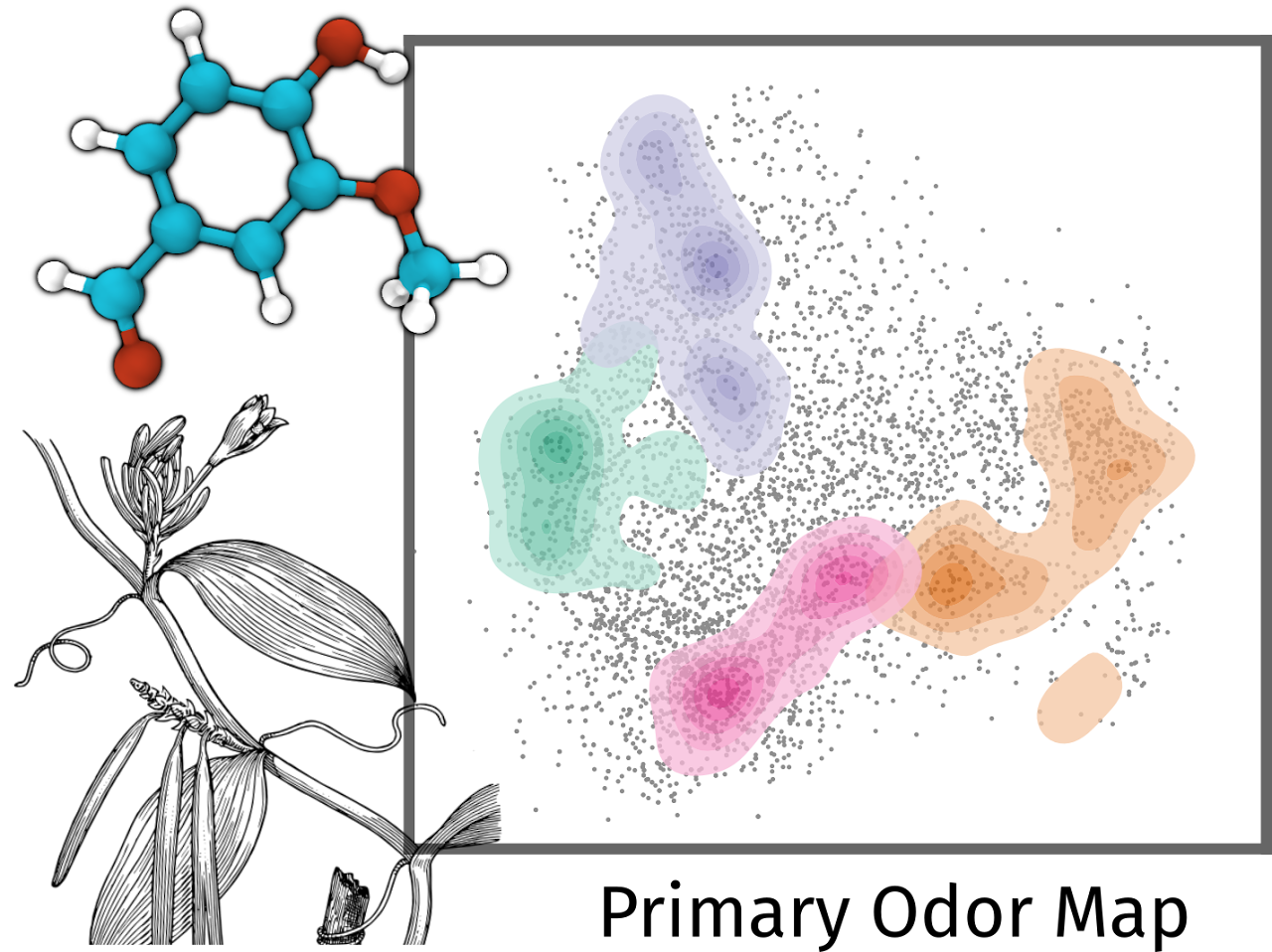
Machine learning can see and hear, but it has barely started to smell. Olfaction is our guide to the chemical world, and digitizing it means understanding how small molecules become percepts. In 2019 we sketched a map of odor space, then spent three years testing it: with human panels smelling new molecules, in the search for mosquito repellents, and against metabolism. Much of what we call flavor is retronasal smell, so food is part of the story too.

Proteins & Enzymes

Proteins & Enzymes

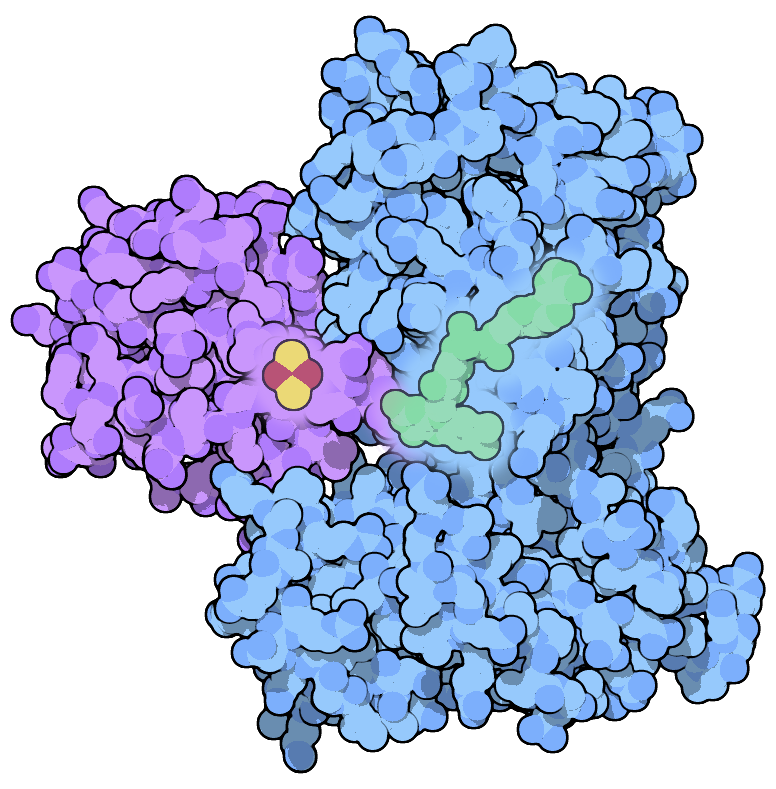
Proteins and enzymes do the chemistry of life. Enzymes speed up reactions by many orders of magnitude and chain together into metabolic networks that build everything a cell needs. Many of nature’s most interesting molecules come from biosynthetic gene clusters, sets of genes that encode an entire assembly line. We model enzymes, their kinetics and the networks they form. We are lucky to sit just below the BioZone, a huge collaborative lab space for bioengineering.

Data-Centric AI

Data-Centric AI

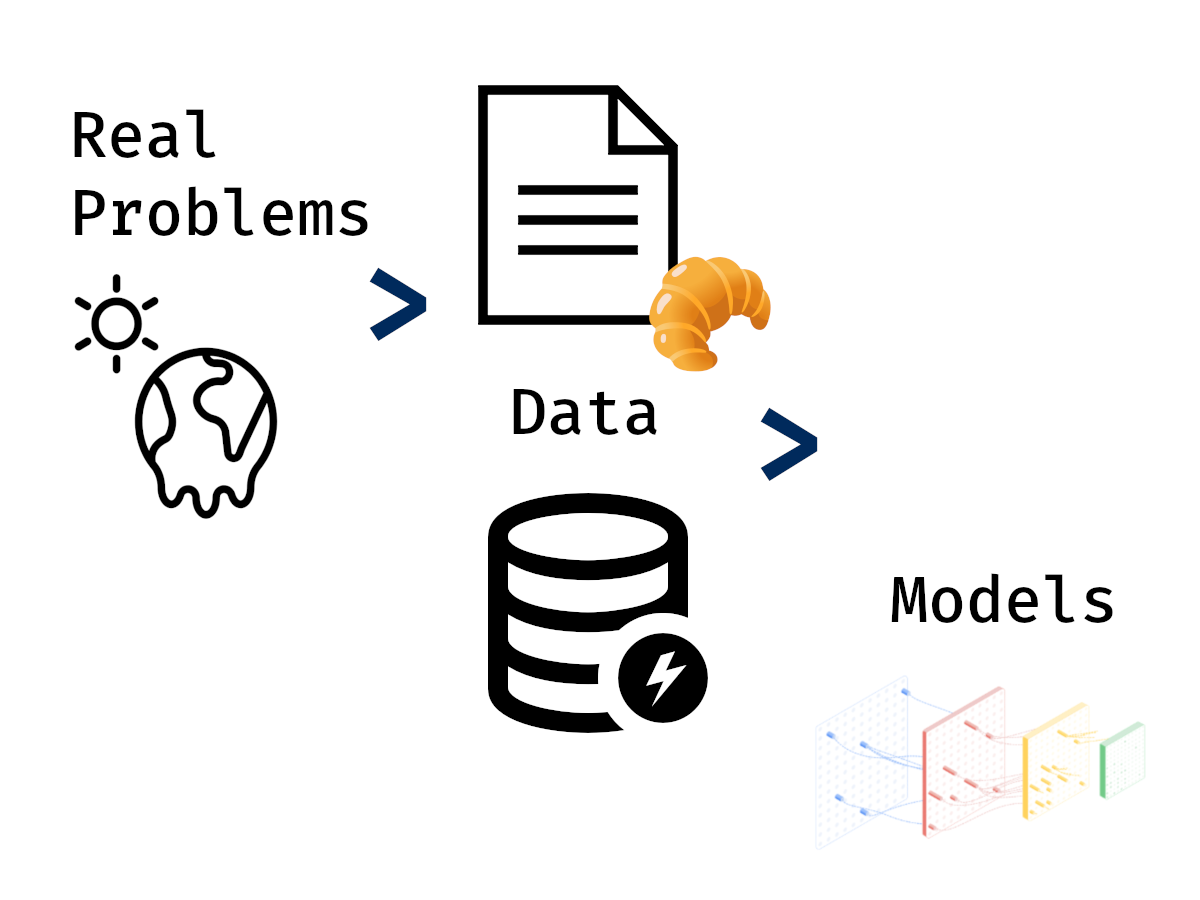
Modeling is rarely the hardest part anymore. More often the bottleneck is framing the right problem and finding the data to answer it. Data-centric AI starts from a simple observation: progress happens one dataset at a time. This matters more in chemistry than in images or text, because experimental data is scarce, expensive and scattered across labs. A large part of our work is curating, generating and releasing datasets and benchmarks that let the field measure real progress.